
Basic Option Terminology
Updated
Ready to unlock the potential of options trading? Dive into the dynamic world of options with WealthCharts! Elevate your knowledge with live training sessions and harness powerful tools to navigate the markets with confidence.
Option: Contracts give the buyer the right to buy or sell an asset for a fixed price (the strike price) for a specific length of time. This is available for stocks, ETFs, Indices, and Futures
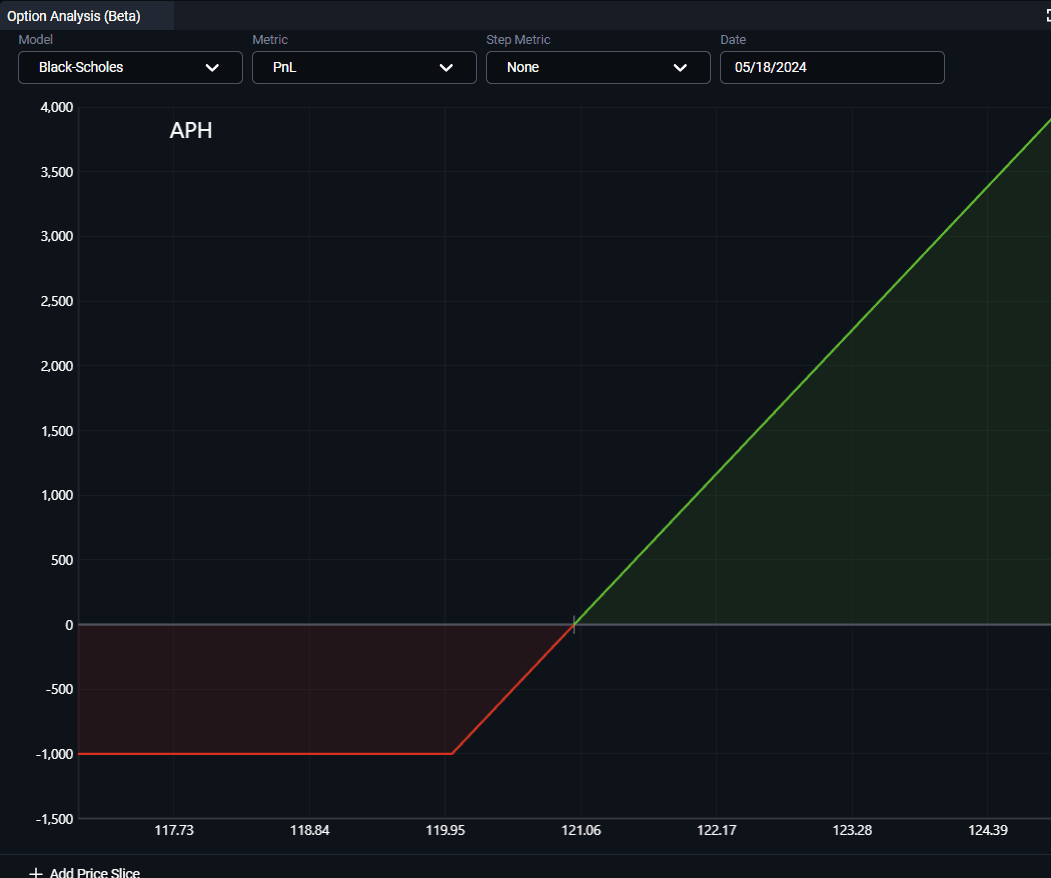
Call Contract: Gives the buyer the right but not the obligation to buy 100 shares of the underlying at a specific price (strike) by a specific date (expiration date) The buyer pays a premium for the right.
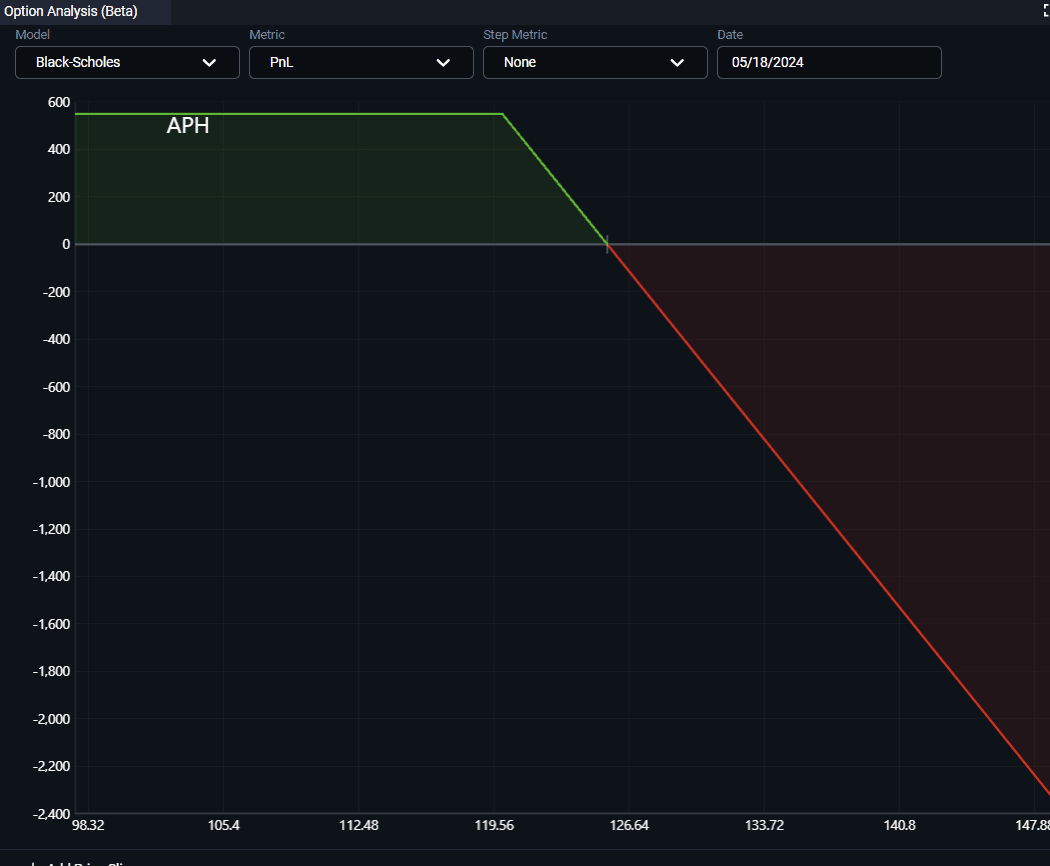
Seller of Call Contract (writer): Receives Premium and return is obligated to sell 100 shares at the specified price if requested by the call buyer before the expiration date.
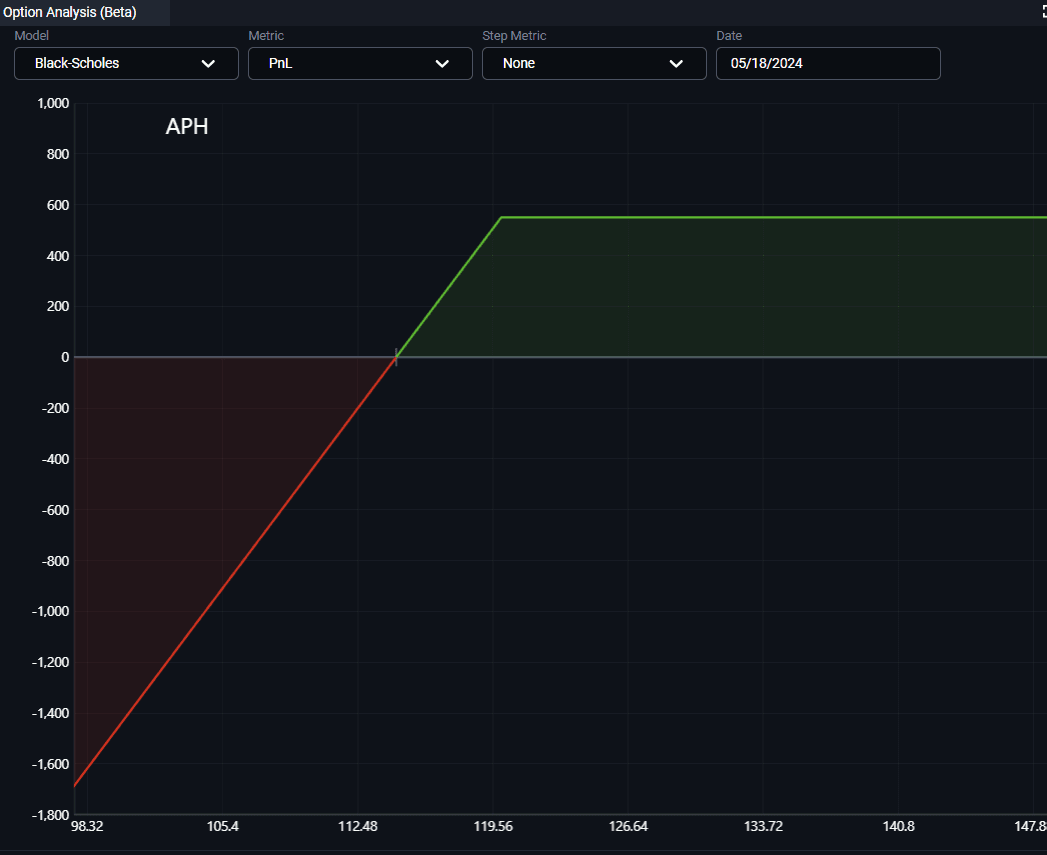
Put Contract: Gives the buyer the right but not the obligation to sell 100 shares of the underlying at a specific price (strike) by a specific date (expiration date). The buyer pays a premium for the right.
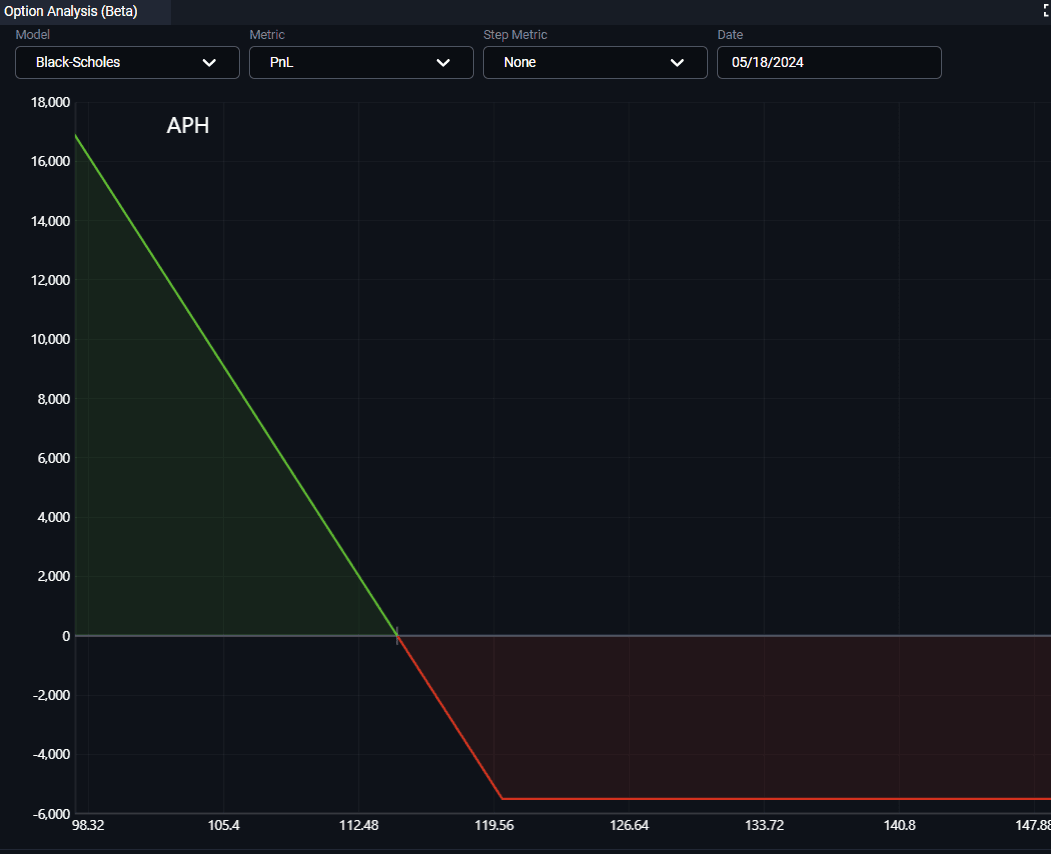
Seller of the Put Contract (writer): receives the premium and return is obligated to buy 100 shares at the specified price if requested by the call buyer before the expiration date.
Option Premium: What the buyer pays to buy the Option
Premium x 100 =Total Cost of Contract
Example:
AAPL March 5 125 Put Premium $1.70 Cost to buy is $1.70 x 100 = $170.00 + Commissions
---
Monthly Options: Stop trading at 4 pm EST on the third Friday of the month
Weekly Options: Stop trading at 4 pm EST on the Friday of Expiration
Option Interest: Total number of open contracts. (Calculated end of day)
Option Chain: Table of values for the calls and puts.
Minimum Information of Options Chain:
Strike
Volume
Open Interest
Bid Ask
Expiration
Spread: The difference between the Bid and the Ask